When the contractor’s performance requires the government to furnish a work site, failure to make the site available may result in liability for the government. Even when furnished by the government, the availability of a work site may depend on many variables. Therefore, unless the contract can be interpreted to imply an unqualified guarantee, contractors may find it challenging to prove the existence of a warranty of site availability. The extent of definitiveness of the contract language pertaining to availability of the work site is key in determining whether a warranty exists. General government representations specifying a date for making a work site available are typically insufficient to amount to a warranty absent express and unqualified contractual language. If the availability of the site is dependent on factors outside the government’s control, such as completion of performance on another contract, a finding that a warranty of site availability exists becomes highly unlikely. On the other hand, if the government alone has complete control over site availability, it makes it more likely that a claims adjudicative forum will find that a warranty exists. Additionally, certain facts may indicate the presence of a warranty of site availability, including the critical importance of the site and the limited period within which the work must be performed. Similarly, contract clauses can be important indicators, with a warranty of site availability more likely to be found in contracts that include a suspension of work clause.
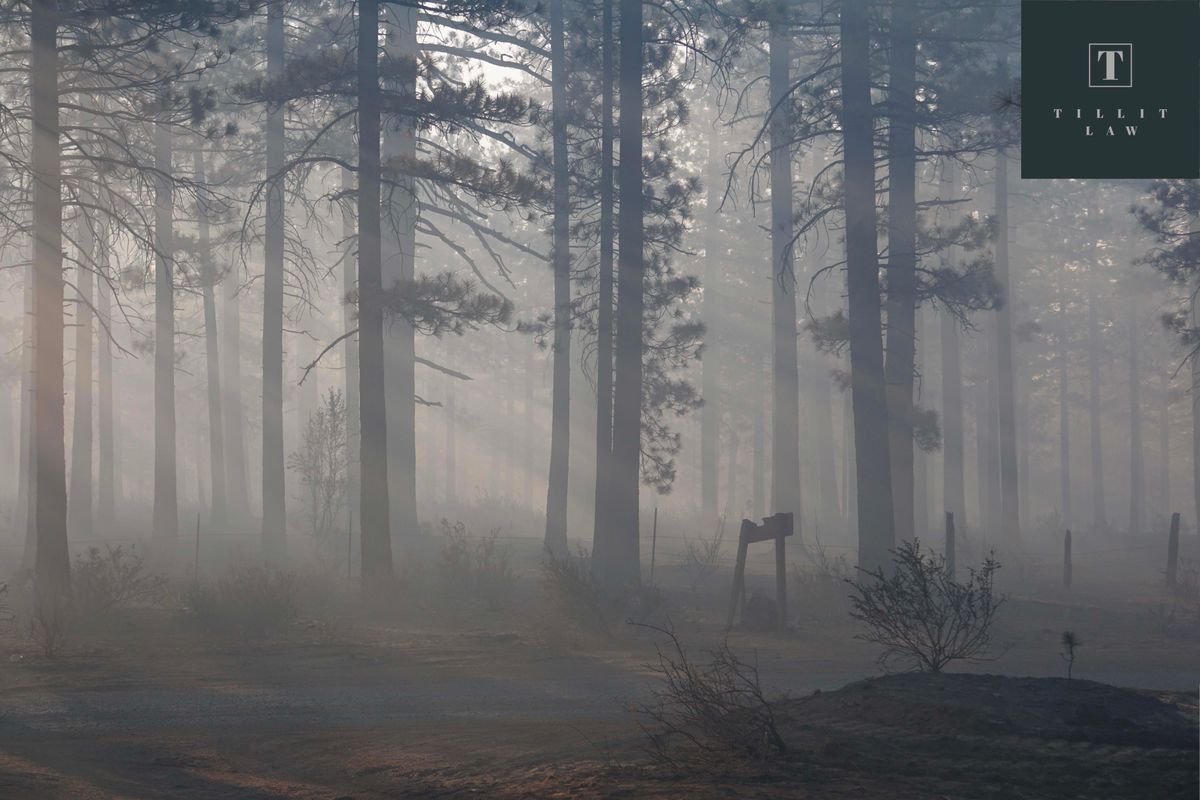
In Pew Forest Prods. v. United States, 105 Fed. Cl. 59 (2012), no warranty of site availability was found when the contract language did not indicate the existence of a warranty, and relevant delays in the contractor’s performance were due to a separate state government project. The United States Forest Service (USFS) awarded the underlying timber sales contract for the Plumas National Forest in California. Prior to award, the government warned potential bidders that the California Department of Fish and Game had planned a pike eradication project that could disrupt access to the timber sales area. Owing to post-award delays on the project, the contractor never began logging operations for one of the two sale sites because a decline in timber prices led it to believe that the area could not be logged profitably. The contractor later filed an unsuccessful claim with the contracting officer (CO) seeking damages for the losses sustained. As relevant here, in the litigation before the Court of Federal Claims (COFC), the contractor alleged that the USFS had breached the timber contracts by delaying logging activities on the site to permit the California pike eradication project to proceed. The Court disagreed, noting that there was no express representation in the contract that could be interpreted to ensure an unqualified warranty of site availability. On the contrary, the pre-bid notice informed the contractor that the pike eradication project could impact access to the timber sales area. Moreover, the contractor did not cease operations under instructions from USFS, and any delays related to the pike eradication project were at the behest of the State of California. Since contract language did not indicate a warranty and site availability was not under the sole control of USFS, the Court found no government liability.
Meanwhile, in Armed Services Board of Contract Appeals (ASBCA) No. 50719, a warranty of site availability was found when the contract contained a strict site availability schedule in addition to a suspension of work clause, and the government had complete control over the site. The U.S. Air Force awarded the relevant fixed-price construction contract for improvements and repairs to 24 military family housing units at Eglin Air Force Base in Florida. The contract contained a firm schedule for when the housing units would be made available to the contractor for performance. However, the government did not release units 13-24 per the schedule due to concerns over the contractor’s timely performance of the first 12 units. Instead, the contractor was left uncertain regarding the interval between the contractually specified release dates and the actual release dates of the units, as only the government knew when the units would be made available. The contractor later sought relief due to the government’s failure to make the housing units available in a timely manner. In the appeal before the ASBCA, the Board reviewed the contract and determined that it contained a mandatory site-availability schedule and that nothing in the contract justified the government’s failure to adhere to it. Furthermore, the decision to release the units was completely under the government’s control. Even if the Air Force was concerned about the contractor’s timely performance on the first 12 units, it had no justifiable reason to adopt an unwritten policy of withholding the remaining units under its control from turnover unless the contractor’s performance was satisfactory. Consequently, a warranty of site availability existed, and the contractor was granted relief under the contract’s suspension of work clause.
Although uncommon, the government’s failure to make a site available to the contractor may result in a breach of warranty of site availability. Since the availability of a work site may depend on a number of variables, it is difficult for contractors to prove a government warranty of site availability absent unqualified and express language demonstrating its existence. If site availability is dependent upon external factors outside the government’s control, the likelihood that a warranty of site availability will be found is low. Conversely, if making the site available to the contractor is solely under the government’s control and the contract contains relatively express language regarding the government’s obligations in this regard, a warranty of site availability may be present. A warranty is also more likely to be present in contracts that include a suspension of work clause. Of course, if the parties agree to delay the availability of the site, the government is not in breach if it fails to make the site available before the mutually agreed extended date. A warranty is also unlikely to be breached if neither party or both parties are at fault for the delays in site availability. Finally, contractors should remember that even if there is no warranty of site availability in the contract, the government may still be in violation of its implied duty not to hinder performance if it unreasonably delays site availability. Similar to the duty to cooperate, the implied duty not to hinder performance is present in every government contract and may be breached if the government actively and unjustifiably interferes with the contractor’s performance, including by unreasonably failing to make a site available for performance.
This Federal Contract Claims Insight is provided as a general summary of the applicable law in the practice area and does not constitute legal advice. Contractors wishing to learn more are encouraged to consult the TILLIT LAW PLLC Client Portal or Contact Us to determine how the law would apply in a specific situation.